What’s Beane Happening? Winter 2026 update
Hello friend! It’s been a little while since our last newsletter on what’s been happening with the RBRA. But we’ve been beavering away behind the scenes on several projects – one of which has been this website and blog.
So, to bring you up to speed, here’s a quick summary of some of the things that have been happening both in and away from the River Beane over the past year or so
1) A shiny new RBRA website
In case you hadn’t noticed, you’re reading this on our new website!
This new blog is where we’ll post seasonal updates about our activities from now on, in place of the newsletters we previously circulated (we’re also active on Facebook).
We made this improvement because, though our old website has served us well, it was getting a little tired. It was set up in 2012 – before the smartphone revolution – and was not great to look at on a phone. It had also become difficult to keep up to date.
So, supported by funding from the River Beane Flagship Project (more on that in a moment…) in late 2025 we launched a brand new website which is easier to navigate and mobile friendly. This new site makes it easier to subscribe to our RBRA newsletter, ask to hear about our volunteering opportunities and more.
If you’ve not already explored the website, please do take a look around, and share it with any friends who might be interested.
2) The CaSTCo project
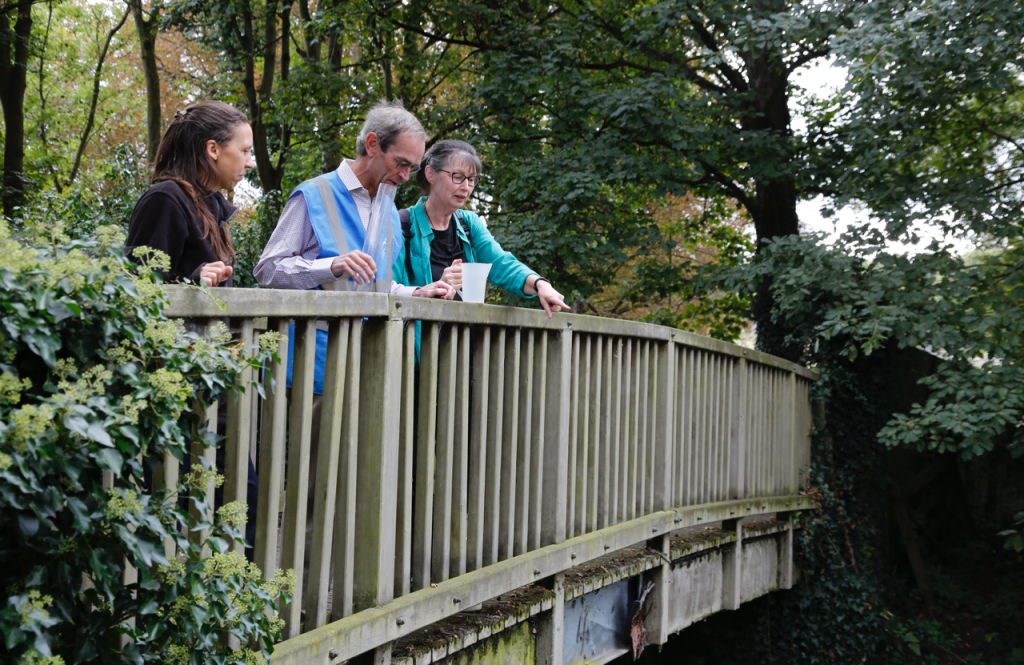
CaSTCo – the catchily-named Catchment Systems Thinking Cooperative – was a four-year, UK-wide project developed by The Rivers Trust and United Utilities (the water company for the north west of England) and funded by the OFWAT Innovation Fund.
The project was driven by 30 key partners – including water companies, the Environment Agency, Wildlife and River Trusts and academic bodies.
It set out to show how the data being gathered by volunteers across England and Wales could be better coordinated, better used, and seen as being just as reliable as that collected by the regulatory bodies. In effect, to show that Citizen Scientists are an important and valuable part of the process of improving our rivers.
The River Beane was chosen as the Chalk River ’test bed’ for the project, which saw the RBRA working in close partnership with Affinity Water, the local Environment Agency team and the Herts and Middlesex Wildlife Trust’s Citizen Science Coordinator.
Our volunteer river testers carried out nearly 1000 chemical tests for nitrate, phosphate and turbidity, performed ‘Mudspotter’ surveys (looking to see where silt and run-off get onto our river) and, working with a researcher from the Natural History Museum, eDNA sampling was done too.
You can read all about the project, see the River Beane Case Study, and learn where we go next, from the CaSTCo page of our new website.
3) The River Beane Flagship Project
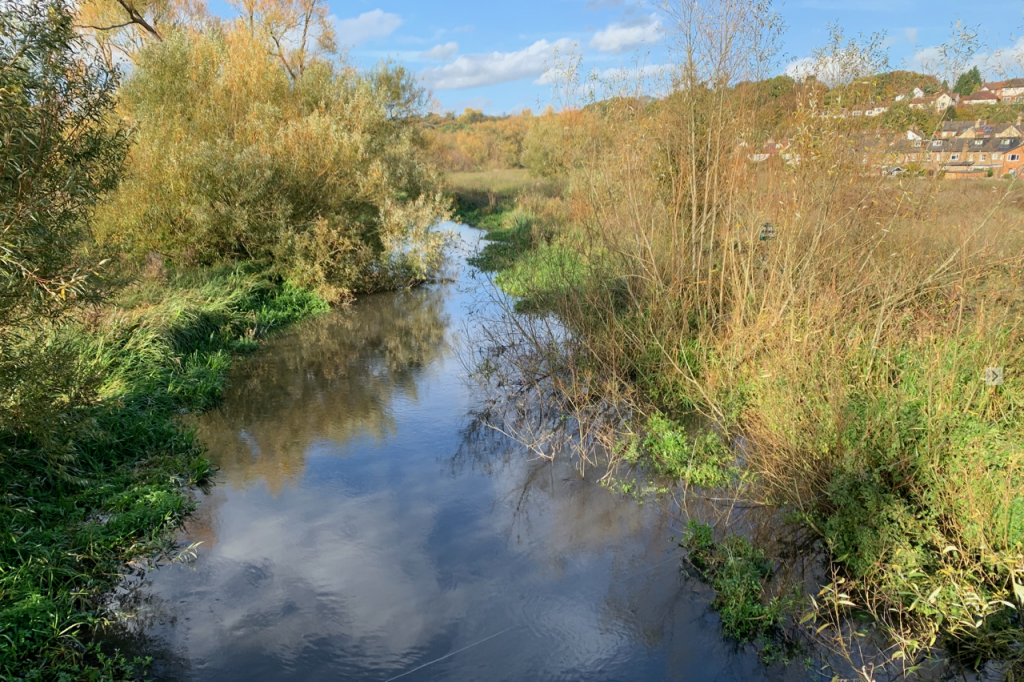
Work is getting underway which will see the River Beane very much in the national spotlight, as one of the key rivers selected for major ecological improvements under the Chalk Stream Restoration Strategy.
This programme is a major step towards the ambitious, but vital vision of the project’s partners to see the River Beane designated as being in ‘good’ ecological health, an exemplar for chalk stream restoration and as a valuable asset for the communities it runs through. (Presently, only a tiny percentage of Britain’s rivers are designated ‘good’).
Plans for the first, 10-year phase of this work are being refined at the moment. An initial project introduction is now live on our website and as the project progresses, more information will continue to be published here and by the project partners.
4) New database management system
As part of our new website project we have made improvements to our mailing list management system and the newsletter and volunteer sign-up process.
As before, your data is stored securely, and we do not share it with any third parties or external partner organisations. We only use the information you give us to let us send you our occasional newsletters and keep you up to date with other areas you have asked to hear about (e.g. volunteering opportunities). This system will help us to keep our communications with you relevant to your areas of interest.
Here’s the link to where you can sign up to receive our emails.
5) And finally, wishing you a happy 2026 from us all at the RBRA
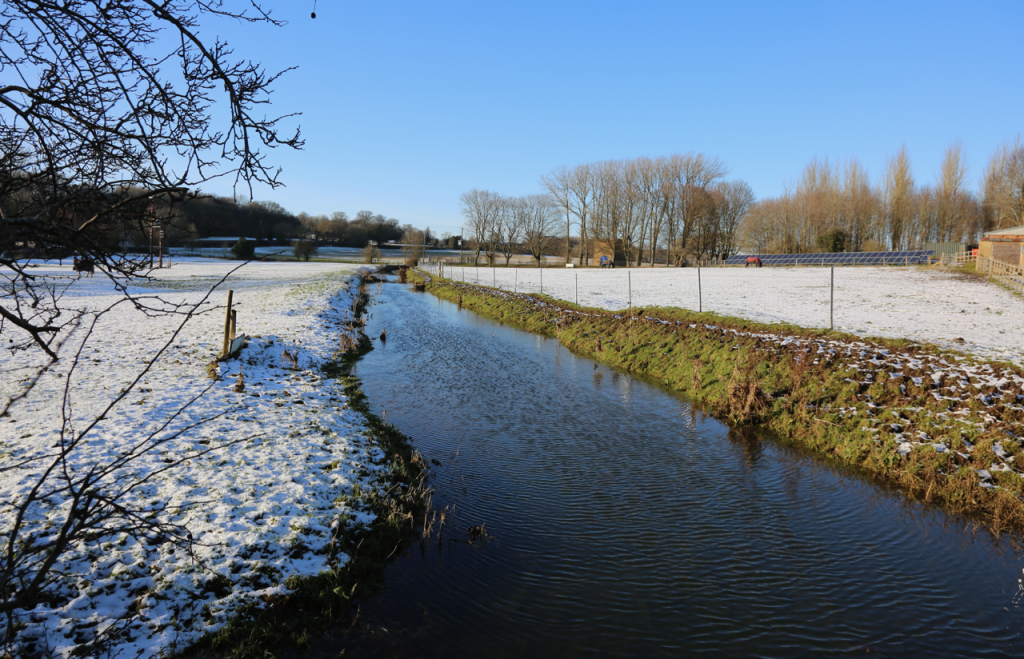
Thank you for your continuing support.
We look forward to telling you more about the river, the flagship project, our work to reduce invasive species and our other volunteering opportunities throughout 2026!